
Last updated
How Many Tons Does a 30 Yard Dumpster Hold?
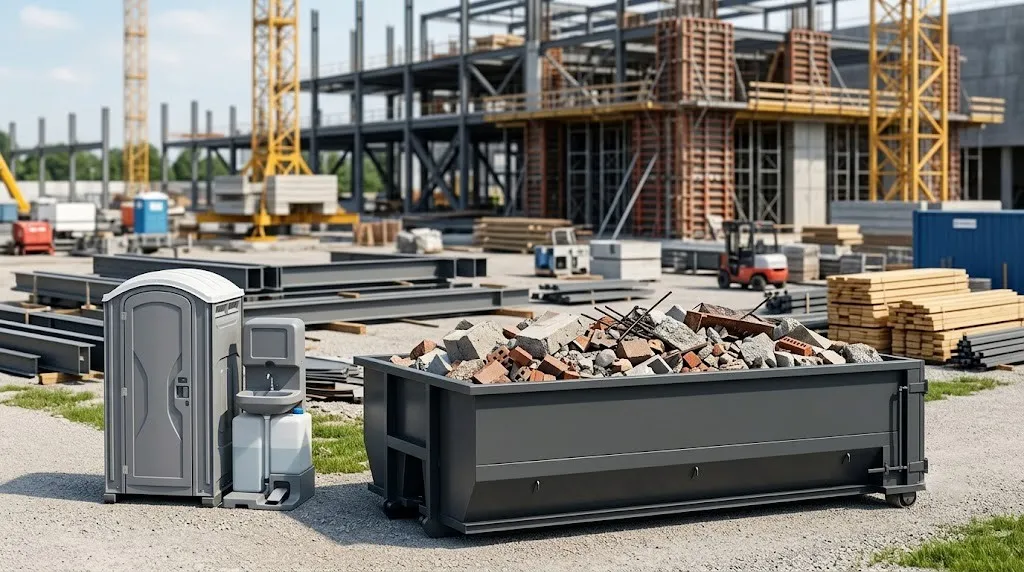
Most haulers cap a 30 yard container at 3 to 4 tons of mixed debris, though the number moves depending on what's inside. Shingles and concrete pack dense and hit that ceiling fast, sometimes before the box even looks full. Loose construction waste, drywall scraps, and general renovation debris from a home renovation porta potty job site fill the volume first and rarely trip the scale. If you're asking how many tons can a 30 yard dumpster hold for a specific job, the honest answer is: it depends on material density, not container size. A roofing tear-off in Spokane will max out tonnage well before the box is visually full. A garage cleanout full of furniture and boxes might never come close. Check dumpster weight limits against your material type before you order, and if you're unsure which size fits the job, dumpster sizes and dimensions breaks down capacity by yard count. Pair that with what cannot go in a dumpster since certain banned materials, like tires and batteries, throw off weight estimates fast.
How Much Does a 20 Yard Dumpster Weigh Empty?
An empty 20 yard roll-off typically weighs somewhere between 4,000 and 6,000 pounds depending on steel gauge and manufacturer, and that tare weight gets subtracted at the scale to calculate your actual debris tonnage. This matters because the driver weighs the truck loaded and empty, and the difference is what you get billed for. A 20 yard box holds roughly 2 to 3 tons of typical mixed debris before you're into overage territory, which covers most single-room remodels or a garage clearout. If you're comparing options for a construction project in Spokane, 10 yard dumpster rental and 20 yard dumpster rental are the two sizes we move most often for residential jobs. Commercial sites doing heavier tear-out work usually step up to 30 yard dumpster rental or 40 yard dumpster rental to avoid multiple hauls. Pricing for any of these sits in the dumpster rental cost range for daily, weekly, and monthly terms, and a straightforward roll-off dumpster rental quote will list the tonnage cap in writing before delivery.
How Many Tons Does a 40 Yard Dumpster Hold?
A 40 yard container generally caps around 4 to 5 tons, making it the choice for large commercial cleanouts, whole-house gut jobs, or multi-trade construction site services projects in Spokane where volume and weight both run high. Because it's the biggest box we roll out, placement matters more here than with smaller units. The truck needs about 60 feet of straight clearance behind it to set the container down safely, so tight urban lots or alleys in older Spokane neighborhoods sometimes rule out a 40 yard box entirely. If your site can't clear that distance, a 20 or 30 yard unit paired with more frequent swaps often works better. Weight overage fees on a 40 yard box add up fast if you're not tracking what goes in, so keep dumpster permit requirements and loading limits in mind before demo day. Out of market, we get calls comparing rates to roll off dumpster rental Dayton Ohio and roll off dumpster rental San Antonio jobs, but weight caps run on the same basic logic everywhere: tare weight, material density, and hauler policy.
Why Do Weight Limits Matter for My Rental?
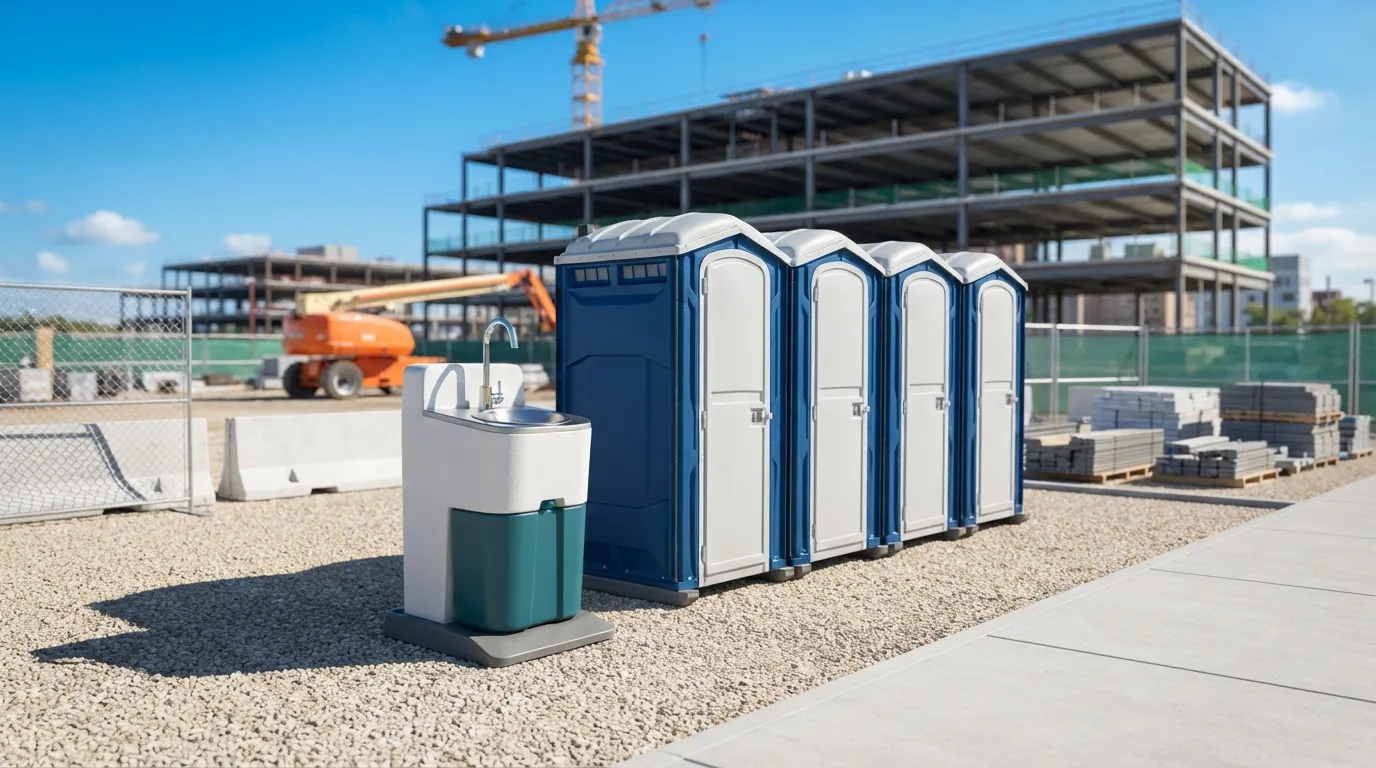
Weight limits protect you from a surprise bill and protect the truck's axle rating on the road back to the transfer station. Every rental agreement lists a tonnage cap for the box size, and going over it triggers a per-ton overage charge added after pickup. Dense material is the usual culprit: concrete, dirt, brick, and shingles weigh far more per cubic yard than household junk or wood scrap. Spokane customers doing driveway tear-outs or roofing jobs should ask about weight caps at booking, not after the truck's already loaded. This is also where dumpster weight limits intersects with jobsite sanitation planning. Crews on multi-day tear-outs still need facilities on-site, and OSHA 1926.51(c) sets toilet counts for construction crews based on headcount, so a standard porta potty rental or porta john rental often gets ordered alongside the dumpster. If your project also involves temporary power or lighting for early demo hours, light tower rental and temporary power pole round out the site setup.
Frequently Asked Questions
What happens if I go over the weight limit?
The hauler weighs the loaded truck at the transfer station, subtracts the empty tare weight, and bills the difference above your contracted tonnage per ton. It's added to your final invoice, not charged upfront. Ask Spokane Porta Pros for the exact cap on your unit size before loading heavy material like concrete or roofing debris.
Can I mix heavy debris like concrete with regular trash?
Usually not without hitting the weight cap fast. Concrete, dirt, and brick are dense enough that a small amount fills your tonnage allowance while the box still looks empty. Ask about a dedicated heavy-debris container instead, since standard mixed-waste boxes aren't built for that load profile.
Does dumpster size affect delivery requirements?
Yes. Larger containers, especially 40 yard boxes, need roughly 60 feet of clear straight space behind the truck for safe placement. Tight driveways or alley access in older Spokane lots sometimes rule out the biggest sizes, so measure your access point before booking.
How do I know which size to rent for my project?
Match container size to material density, not just volume. A small demo project with concrete needs a smaller box than the debris volume suggests, because weight caps first. Check dumpster sizes and dimensions or call Spokane Porta Pros with your material type and rough quantity.
Are weight limits the same across all dumpster sizes?
No, they scale with box size but not proportionally, since a 40 yard box doesn't hold twice the tonnage of a 20 yard. Tare weight, axle ratings, and hauler policy all factor in. Confirm the specific cap in writing when you book through roll-off dumpster rental.
Next step
Get a delivery date
Tell us the address, the dates and the headcount. We size the order and confirm the route.