
Last updated
Do you need a permit for a porta potty in Spokane?
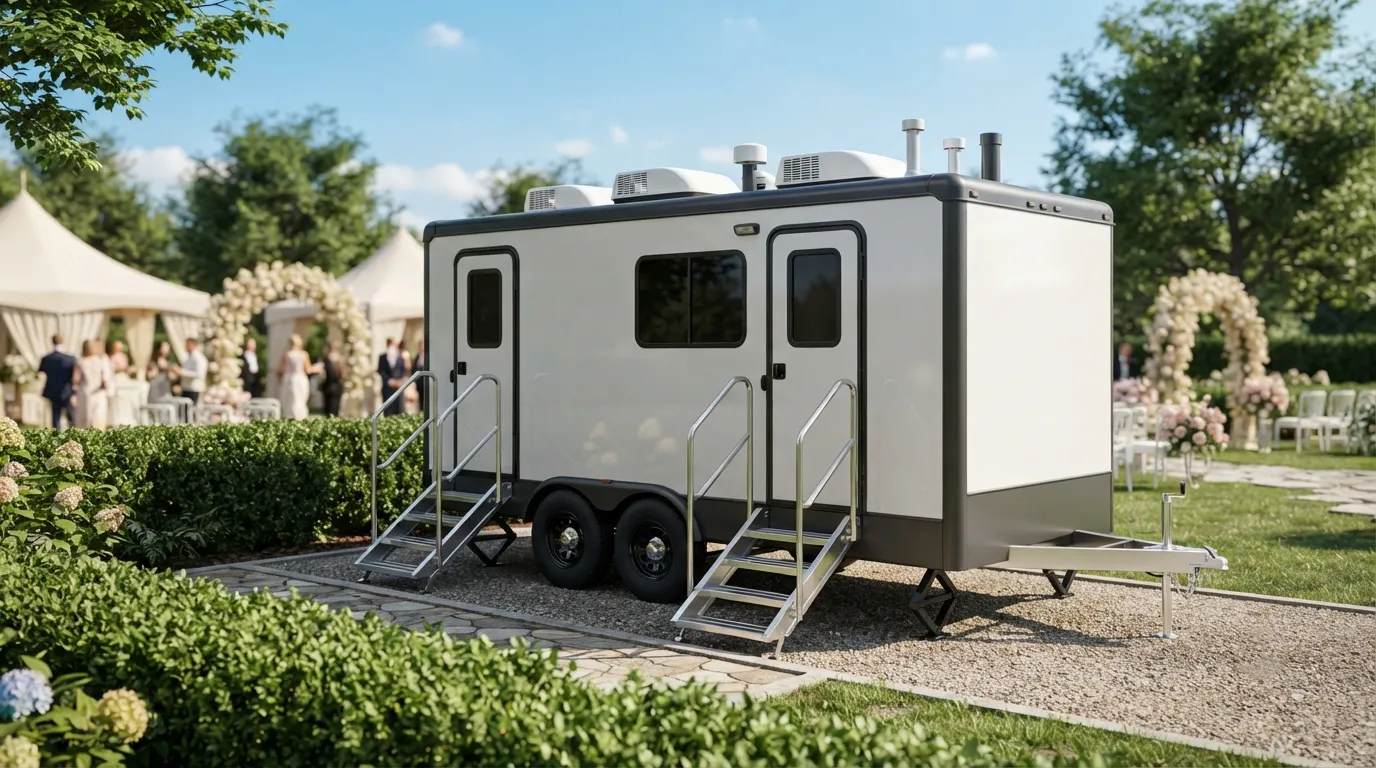
Usually not, if the unit stays on private property behind the curb line. A backyard renovation, a fenced job site, a private event lawn: none of that typically triggers a permit review the way dumpster permit requirements sometimes do. The line moves once you put a unit on a street, a sidewalk, or any strip the city maintains. That is public right of way, and Spokane Porta Pros treats it as NOT VERIFIED territory until someone actually calls the relevant department, because rules like this vary block to block and change without much notice. If your porta potty rental in Spokane sits fully on your lot, you are usually fine. If it is anywhere near a curb, ask first. The same caution applies to temporary fence rental that crosses a property line, and to a temporary power pole permit, which almost always involves the utility and sometimes the city both. Do not guess on placement. A wrong guess costs more than a phone call.
Is a permit for a dumpster on the street different from a porta potty permit?
Yes, and dumpsters get scrutinized more often. A roll-off dumpster rental sitting in a driveway is usually simple. One sitting at the curb, blocking part of a lane, is the situation that most often needs a street obstruction permit in cities generally, Spokane included, though the exact form and fee are NOT VERIFIED here and need a call to confirm. This is true whether you are renting a 10 yard dumpster, a 20 yard dumpster, or something larger like a 30 yard dumpster rental or 40 yard dumpster rental. A roll-off delivery needs about 60 feet of straight clearance behind the truck, so street placement also has a practical access problem on top of any permit question. Compare that to jersey city dumpster permit rules or Delaware roll-off dumpster rental rules elsewhere: every city writes its own version, and Spokane's is not something we invent here. Check dumpster weight limits and what cannot go in a dumpster while you are planning, since violations there cause more delivery headaches than permits usually do.
What are the porta potty placement rules that actually matter?
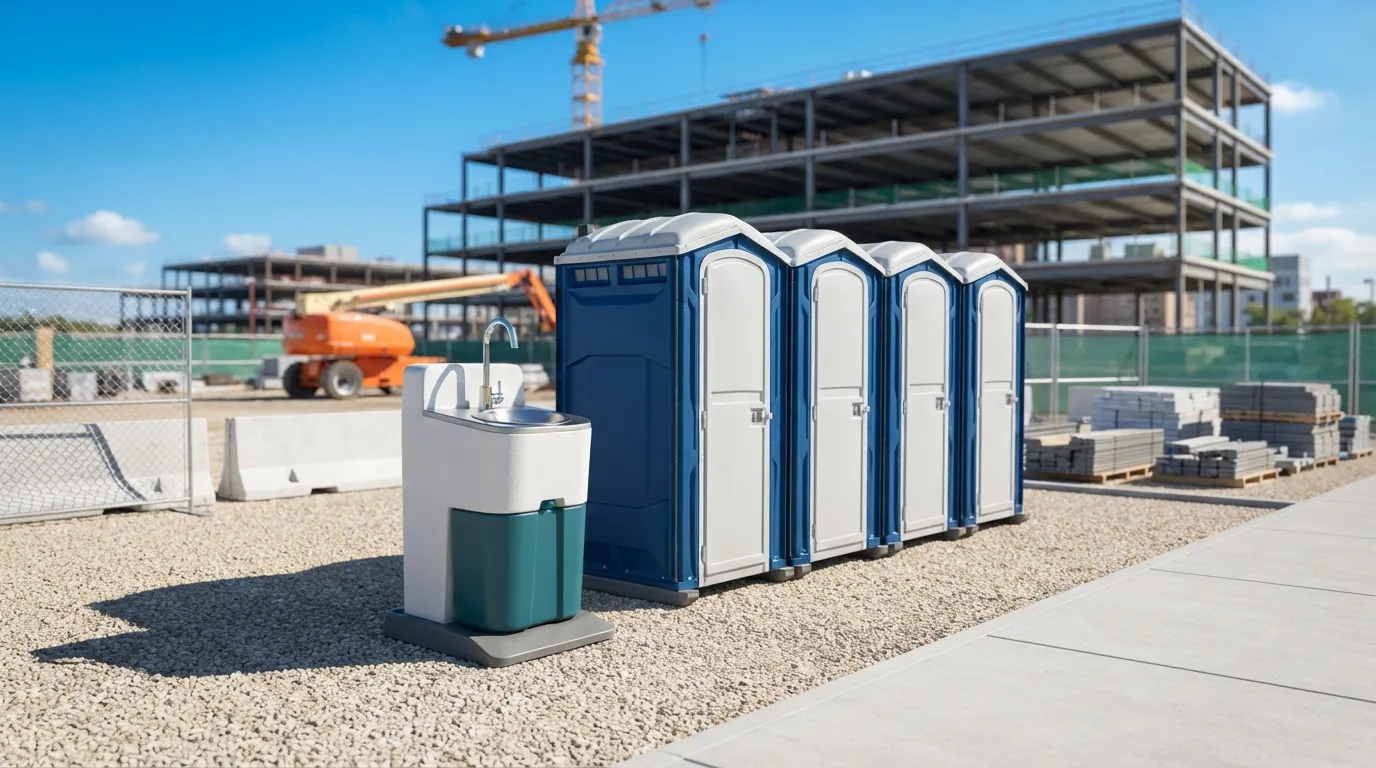
Placement rules that matter most are practical, not bureaucratic: flat ground, service truck access, and enough clearance for the door to swing. A standard unit runs about 44 by 48 inches on the ground and stands about 92 inches tall, so it needs a stable pad, not a slope. ADA Standards section 302.1 calls for stable, firm, slip-resistant surfaces, which is a good practical bar even where ADA does not strictly apply. If you're placing an ADA accessible porta potty, ADA Standards section 403.5.1 calls for a 36 inch clear route, and section 404.2.3 calls for a 32 inch clear door opening, so give the unit room on all sides. Where units cluster, ADA Standards section 213.2 requires at least one accessible unit for every cluster, five percent minimum. Our porta potty placement guide covers ground conditions in more depth, and the porta potty rental checklist walks through service access before delivery day.
What porta potty rules and regulations apply on a construction site?
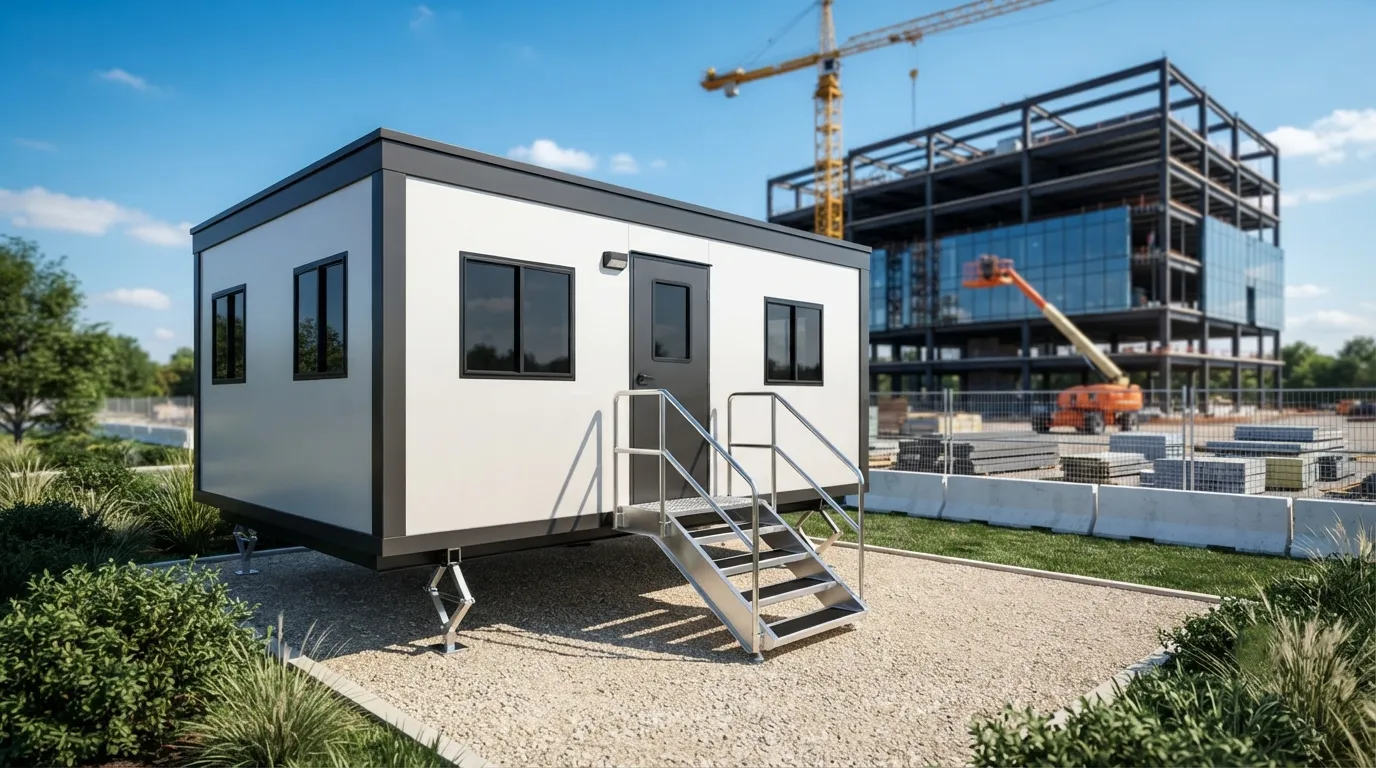
Construction sites answer to OSHA, not just city code, and the ratio is fixed: 1 toilet for 20 workers or fewer, per OSHA 1926.51(c)(1), scaling up from there. Our OSHA portable toilet requirements page breaks the full table down, and how many porta potties do I need turns that ratio into a real headcount. OSHA 1926.51(a)(1) also requires an adequate supply of potable water on site, separate from the toilet count. If work involves paints, coatings, herbicides or insecticides, OSHA 1926.51(f)(1) requires washing facilities for that specific exposure, and 29 CFR 1910.141(d)(2) requires soap and towels or a hand drying device wherever handwashing is provided; hand sanitizer alone does not satisfy that. A handwashing station rental or portable sink rental covers both. Field labor sites follow OSHA 1928.110 instead, which sets one facility per 20 workers within a quarter mile walk. See handwashing requirements and farm and agricultural restrooms for that version. Our construction site services page bundles fencing, power and sanitation together for larger Spokane jobs.
| unit | day | week | month |
|---|---|---|---|
| standard | $100-$350 | $130-$500 | $125-$325 |
| ada | $200-$400 | not offered | not offered |
| deluxe | $85-$1,200 | $150-$290 | not offered |
Weekend rates run separately from daily and weekly pricing; see porta potty rental cost and porta potty rental per day for details, or monthly porta potty rental for longer jobs. Sites 8.3 miles out in Town and Country or 12.7 miles southeast in Cheney follow the same permit logic as anywhere in Spokane proper.
Do I need a permit for a porta potty on private property?
Almost never. Private property, whether a backyard, a fenced lot, or an event field, generally does not trigger city permit review the way public right of way placement does. Confirm with the city only if you are unsure where your property line actually falls.
Can I place a porta potty on the street in front of my house?
Only with the right authorization, and that authorization is NOT VERIFIED here since it depends on the specific block and department. Treat street and sidewalk placement as a phone call first, delivery second. Private driveways avoid the question entirely.
Does a temporary power pole need its own permit?
Usually yes, separate from any toilet or dumpster permit, since it involves both electrical inspection and often the utility company. Pair it early with your light tower rental planning so power and lighting land on site together.
Are portable toilet permit rules the same as dumpster permit rules?
No. Dumpsters more often need a street obstruction permit because they block more space and sit longer. Porta potties on private ground rarely need anything. Both change once either sits in the public right of way.
Who do I ask to confirm placement rules in Spokane?
The city department handling right of way and permitting is the right first call, before delivery day, not after. Spokane Porta Pros can flag likely right-of-way situations on a quote, but the confirming call belongs to the city itself.
Next step
Get a delivery date
Tell us the address, the dates and the headcount. We size the order and confirm the route.